The Sustainable Skyscraper: Designing Net-Zero Energy Towers for the Future

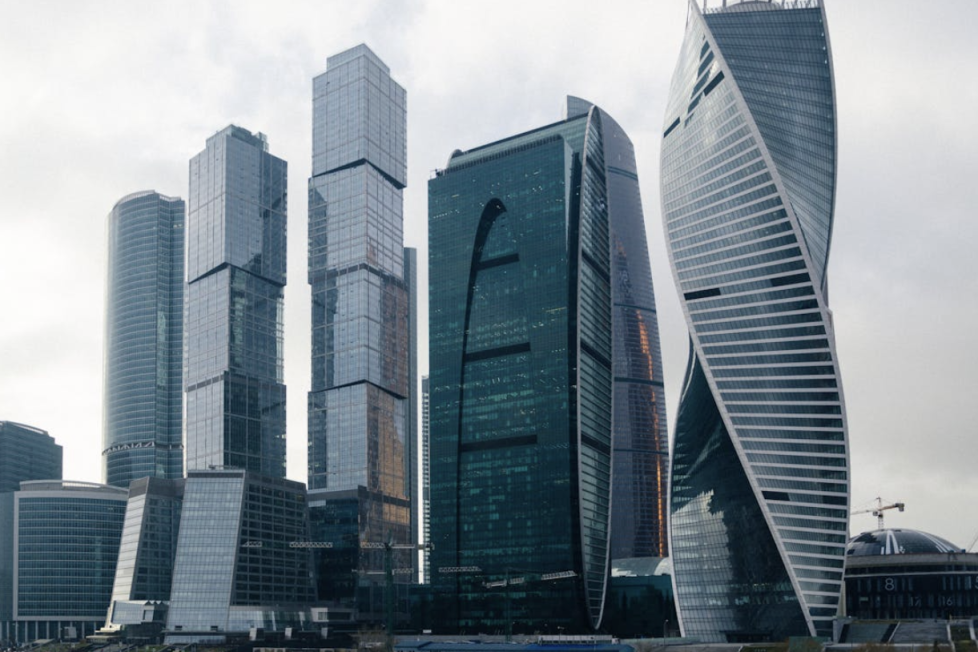

Skyscrapers are taking over the world with many countries adopting the large city infrastructure to give them a modern feel that keeps up the expectations of those who live in the areas. One issue with this is that skyscrapers consume massive amounts of energy for lighting, vertical transport and climate control, directly contributing to carbon emissions. This makes finding solutions to make this more eco-friendly is crucial for the future of city builds.
Achieving a Net-Zero Energy tower requires a change in design to make it more sustainable. This future is built on an integrated strategy of drastically reducing energy demand first and then efficiently generating the remaining power on-site. The goal is to prove that density and height can be compatible as a climate solution.
This guide will explore how skyscraper construction can become Net-Zero within the next few decades, as we create greener cities that take less of a hit on the environment. Continue reading to find out more.
Passive design minimises energy load before any mechanical systems are engaged, which is achieved through optimising the building’s physical structure. Net-zero energy designs use heavily insulated walls and roofs combined with high-performance glazing to minimise heat transfer, so you feel cooler in the summer and warmer in the winter. Part of this is also solar shading and orientation, as designers use this to block intense direct sunlight, especially on east and west facades where the sun is at its brightest.
Where possible, the design incorporates operable windows and double-skin facades to allow for natural airflow, often using stack effect and thermal chimneys to cool the building without running the HVAC system.
Once the demand is minimised, the remaining energy needs must be met using the most efficient technology available. The biggest energy consumers in any skyscraper are the HVAC systems, so eliminating the need to use this is very important for making the building Net-Zero. These towers often employ geothermal heat pumps or district energy systems for heating and cooling, which are far more efficient than conventional boilers and chillers.
Energy recovery ventilators are installed to capture heat or cool energy from exhaust air and use it to precondition incoming fresh air, recovering up to 80% of lost energy. Regenerative drive elevators also capture energy as the cab descends, which feeds power back into the building grid.
Generating clean power is very important for achieving Net-Zero, so you need to find ways to generate renewable energy that uses less carbon emissions. For example, using solar panels instead of traditional roofing is a great power choice for a sustainable build. You can also employ Building-Integrated Photovoltaics (BIPV) like solar cells and incorporate these into the glass curtain walls and exterior cladding.
Advanced battery storage systems are also essential to store energy generated during peak times, like midday solar, for use during peak demand or overnight. This will benefit the energy profile and ensure Net-Zero balance over the course of a year.
When you have a streamlined construction process, you will reduce downtime on your skyscraper project and use up less emissions. There are multiple ways you can do this, such as using the latest machinery that will ease the burden of working at extreme heights. Super MEWPs hire for businesses like Mainline Hire are a very viable option for reaching these heights, as they go as far as 90m into the sky to give you the perfect reach for skyscrapers. These machines now have more eco-friendly options, so you can lower the project’s carbon footprint.
Sophisticated technology that shows you digitally-controlled BMS systems that sites can use with sensors to monitor occupancy, temperature and daylight. This can help with adjusting lighting and HVAC zones in real-time to prevent energy waste.
Managing water appropriately is essential if we are to achieve Net-Zero for our big city builds. Towers can reduce municipal water demand, as it can help with installing closed-loop systems that reuse water from sinks, baths and washing machines for toilet flushing and more.
These types of buildings also have large roof areas that are perfect for collecting rainwater, which can be filtered and stored for future uses. This can reduce strain on local water supplies, as this water will only be used for the one tower without having to get water from elsewhere.
To enhance the eco-friendliness of skyscrapers, significant improvements can be made to lighting by using LED systems instead of normal bulbs. Modern LED technology drastically cuts energy consumption compared to traditional fluorescent or incandescent sources, both for interior task lighting and exterior facade illumination. Integrating smart lighting controls is also beneficial too, such as daylight harvesting sensors that dim artificial lights when sufficient natural light is available.
This combination of efficient fixtures and intelligent management minimizes the substantial energy draw traditionally associated with illuminating vast vertical spaces, reducing operational carbon footprint while extending fixture lifespan.
Net-Zero design considers the greenhouse gases released during the manufacturing, transport and construction of building materials. Techniques include using lower-carbon concrete alternatives, recycled steel and locally sourced materials to minimise transport emissions.
Strategic use of materials with high thermal mass can also help stabilise internal temperatures by absorbing heat during the day and releasing it slowly at night. This further reduces the need to use HVAC systems that can use up a lot of energy.
Designing interfaces that provide occupants with real-time feedback on their energy and water consumption encourages better behaviour. Engaging users through transparent data visualisation is crucial, as occupant behaviour can account for up to 30% of a building’s total energy use. This means that having everyone on the same page will help to reduce the carbon footprint of the high rise building, as we strive towards Net Zero.
Building managers can convert passive users into active participants in sustainability. This engagement ensures the intentional design efficiencies are maximised in practice, often leading to a substantial reduction in energy use that the technical systems alone cannot achieve.
Achieving Net-Zero for all skyscrapers won’t be easy, as every part of the world will have different strategies that they use. A tower in a region with 90% renewable grid power should focus heavily on embodied carbon and demand reduction. Cultural norms regarding ventilation and space use all require bespoke design solutions, meaning that successful Net-Zero replication demands adaptable global principles rather than a single standardised architectural blueprint.
Creating a global platform where project teams can share anonymised performance data from Net-Zero skyscrapers will help, as it makes sure everyone is on the same page. This allows emerging markets and regions with less historical experience to adopt proven solutions rather than reinventing the wheel.