How to Stay Healthy While Travelling Europe

Staying healthy while travelling Europe is a crucial aspect of ensuring your trip is enjoyable and memorable for all the right reasons. Taking proactive steps to safeguard your wellbeing can make a world of difference while you’re on your travels. This involves everything from proper preparation and smart packing to making conscious choices about what you eat, how you move and how you manage sleep on the road. All of this combines for a much healthier trip while you’re going around Europe.
We’ll cover essential topics in this guide, such as preparing your body for the journey ahead, as well as staying hydrated and nourished on the go. You will also need to protect yourself from common illnesses and ensure you get adequate rest. Continue reading to find out how to make your European escapade both fulfilling and healthy.
You should make an appointment with your doctor before your trip to discuss your plans, as they can ensure all your routine vaccinations are up-to-date for travelling around Europe. They can also give you some advice on how you can keep your health up to standards during your trip, taking into account your current health and how you can avoid any complications.
Having a well-stocked personal first-aid kit is one of the most proactive steps you can take for a healthy trip. It ensures you’re prepared for common travel ailments and minor injuries, preventing small issues from becoming major disruptions to your European adventure. The last thing you want is to be unable to treat a wound that you pick up while on the road and then be sidelined for several days as you wait to recover. You could completely ruin your trip without packing a first-aid kit.
Drink plenty of water as you travel, especially before and during flights or in hot climates. Pack a reusable water bottle and use refill stations or water fountains to avoid waste, as it’s much more eco-friendly than constantly purchasing plastic bottles. Eating fruits and vegetables with high water counts and limiting dehydrating beverages like caffeine and alcohol will help you to stay hydrated while travelling. Cigarettes are a big no-no if you want to keep your hydration levels high, so try switching these out for something like nicopods as a healthier option.
Having a balanced diet is essential throughout life and this is especially important while you’re travelling, as it’s easy to stuff your face with all sorts of junk food with many European countries having a plethora of fast food restaurants. Incorporate fresh fruits and vegetables from local markets into your meals. Consider light breakfasts to offset heavier dinners and allow your body to digest properly.
Pack non-perishable, allergy-friendly snacks and meals for your journey. This is a lifesaver for flights and in situations where you can’t find a safe restaurant. Never assume a product you’re familiar with is the same in a foreign country, as there’s always differences. If you do go to a restaurant, make sure that you learn how to properly ask about any allergens to keep yourself safe.
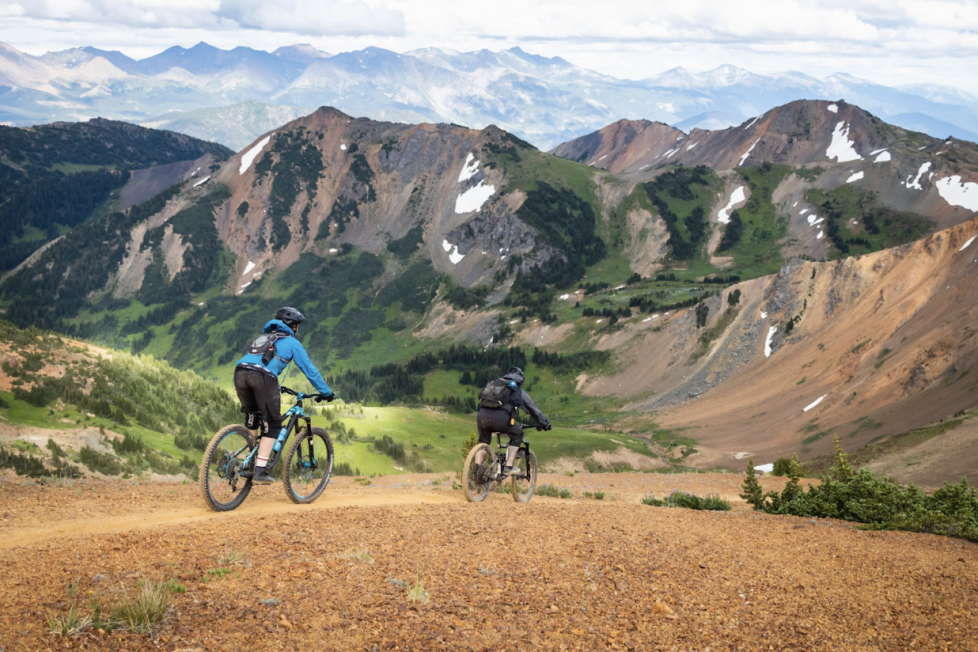
Staying active during your European getaway is crucial to your health, as lounging around all day won’t be good for you. If you’re backpacking around the continent, you’re sure to hit over 10,000 steps a day which is the recommended amount for everyone. You can also implement different activities throughout your travels to stay active, such as mountain biking, swimming and yoga. Every European country will have special activities that are designed for travellers who want to explore while maintaining their health.
Prioritising sleep is the foundation of keeping yourself energised during your trip, as a rested body and mind are far more resilient to the stresses of travel. There’s so many things that can disrupt your sleep cycle, but with some planning you can give yourself an effective sleep schedule that keeps you ready for all the activities ahead. Your circadian rhythm dictates your day-to-day functioning, as it’s your 24 hour clock that sleep helps you fix. Optimising sleep while away will keep you wide awake during the day and sleepy when it’s time to rest your head on the pillow.
Wash your hands with soap and water for at least 20 seconds whenever you can, especially before eating, after using public restrooms and after touching high-traffic surfaces like handrails as you always want to be safe from illnesses. A travel-sized bottle of alcohol-based hand sanitizer can be very useful, as you can use it at any time without hassle. With all the walking and potential for scrapes, it’s important to clean any cuts immediately with antiseptic wipes and cover them with a bandage to prevent infection.
While the UK has drinkable tap water, the same can’t be said for the rest of Europe. For example, it’s recommended that you avoid drinking tap water in countries like Ukraine, Russia, Bulgaria and Albania. To check your tap water safety, you can look for changes in colour, smell or taste. There are water testers that you can also use to get a more accurate prediction of whether the water is safe to drink.
Use a broad-spectrum sunscreen with an SPF of at least 30 while travelling Europe, as this will protect against both UVA and UVB rays. Apply it generously to all exposed skin at least 30 minutes before you go outside and reapply it frequently. Protect your eyes from harmful UV radiation with sunglasses that offer 100% UV protection. This can help prevent eye damage from prolonged sun exposure. Pay attention to signs of heat exhaustion, such as dizziness, nausea, headaches and excessive sweating to ensure your health doesn’t dwindle while abroad.
Traveling through Europe is an incredible journey full of discovery and adventure. The best way to enjoy every moment is to feel your best during your travels. Following these simple steps can set yourself up for a more enjoyable experience. Think of these habits as part of your travel plan, just like booking a flight or a hotel.
Stay active, hydrate often and don’t forget to get enough sleep. Listen to your body and give it the rest it needs so that you feel ready for the day ahead. With a little preparation and a focus on your wellbeing, you can fully embrace the history, culture and beauty that Europe has to offer.