


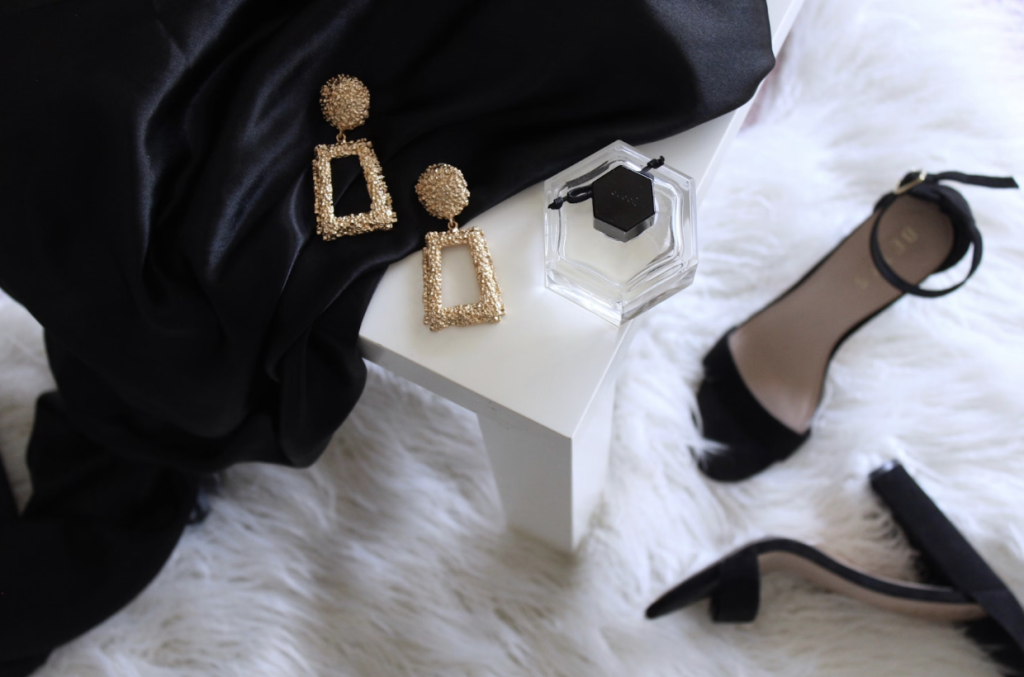
There’s no one-size-fits-all approach to product marketing. You must create a bespoke approach that works for your product, your brand, and the audience you are trying to target. Each market throws up its own challenges, but none more so than when marketing luxury goods. When trying to sell high-end products, the goalposts move even further given the costs involved. In this article, we will explore the tried and tested rules to follow when marketing luxury products.
Audience
Like most products, selling luxury items begins with your audience. You’ll likely be targeting wealthy individuals, so you’ll want to tailor your marketing outreach accordingly. Consider where your audience’s attention might be; this could be events such as high-end fashion shows or business awards.
However, it’s also important not to simply follow the stereotypes. Not all people who are in the market for luxury goods are found at yacht clubs. In fact, there’s an increasing number of younger consumers who are willing to spend more on commodities. That’s why it’s also important to build a digital following and use tactics such as social media ads and pay-per-click advertising.
Brand Positioning
Every single area of your business should convey your product’s luxury. At the end of the day, consumers aren’t going to part with their hard-earned cash if a cheap-looking product comes with a hefty price tag, so position your product as exclusive, luxurious and high quality.
This starts with your online identity, including your website and social media channels. Avoid using humour, as this is often associated with budget brands and used to come across as approachable rather than exclusive.
Pay close attention to your imagery too, and be sure not to cheapen your product through low-quality images. Use professional shots that reflect the high quality of the item you are selling. If you’re selling high-end jewelry, for example, use product shots to highlight the minor details of the item and highlight the craftsmanship that has gone into creating the piece. A great example is Graziela’s paraiba tourmaline jewelry, where close-up images allow the user to view and appreciate each individual gem.
Try to use a minimalist style when displaying content too. This allows the product to be the focus, which helps to highlight its importance.
Influencers & Ambassadors
Most people develop a perception of a product based on the people they see consuming the product. If you see a wealthy celebrity wearing a certain fashion brand, you’re more likely to perceive the brand as being luxurious and desirable.
As a result, influencer marketing offers a shortcut to creating these perceptions. Working with high-end individuals will encourage your audience to view your product as high-end too, so try to create ambassadors who are associated with wealth, high-end taste, or who are generally seen as aspirational.
This could mean working with celebrities who have expensive tastes, although this isn’t an option for every business. If you’re working to stricter budgets, try to focus on working with content creators who portray a luxury lifestyle to their following online.
One important thing to note in this area is that influencers who have clearly been paid to promote a brand can easily cheapen the product they are promoting. As such, try to position collaborators as ambassadors rather than influencers or advertisers. It’s also absolutely imperative that their values align with the brand to avoid the partnership coming across as inauthentic.
Product Presentation
When consumers splash out on an expensive item, they’re often interested in more than the product. Try to convey the whole story of your product in terms of presentation. For example, when promoting a piece of fine art, make sure the artist’s story and inspiration for the piece are visible, whether online or in person.
Similarly, when purchasing high-end jewellery, interested buyers may be influenced by the item’s rarity, mining story, and other factors. In other industries, these factors may not make a difference, but in the luxury sector, the story can often be what secures the sale.
If you’re selling luxury products online, treat product descriptions as sacred pieces of real estate on your product page. Don’t just treat product descriptions as an opportunity to add fluffy, irrelevant sales information; bring your product to life with a captivating story.
Pricing Strategy
You may have noticed that high-end fashion houses don’t often, if ever, offer discounts. Even around sales periods such as Black Friday and over Christmas, you can expect to pay full price for brands like Louis Vuitton, Prada and Gucci. That’s because exclusivity is key to their brand; once an item becomes affordable to the masses, it can no longer be classed as an exclusive brand.
If you’re selling anything along the lines of watches, jewelry or art, you may need to unlearn things you’ve previously been taught about marketing. For instance, traditional brands will likely want their product to appeal to as many people as possible, and finding the right price point goes a long way towards this. When dealing with luxury however, it’s about appealing to the right people. This may mean that not everyone will be able to afford your product, but this will actually contribute to your product being scarce, desirable and exclusive.
Customer Experience
Although most trading takes place online these days, those in the market for high-ticket items often choose to do their shopping in person. As a result, it’s crucial that you consider the service that you provide in-store to shoppers when working with luxury products.
There are many tricks you can use to deliver a more upmarket experience. It begins with the decor; notice how Rolex stores ooze class and elegance before you even notice the products. Some high-end brands even choose to only sell their products in person, forcing consumers to come and sample their exquisite experience.
If you do have a physical branch, your staff also play an important role. They shouldn’t be seen solely as sales assistants, but more as brand connoisseurs who are capable of delivering knowledge, wisdom and advice.
Final Thoughts
Getting potential customers to part with their cash when there are far cheaper alternatives isn’t an easy task, and it does require a bespoke approach. As already mentioned in the article, you may need to unlearn certain marketing behaviours that you’ve been taught. For instance, we’re taught that raising the price of a product will cause demand to fall. However, when dealing with luxury, it could be that raising the price of an item increases its exclusivity and desirability, which subsequently increases sales. One thing’s for sure, when selling luxury, it’s important to focus on the quality of the item rather than the price.